If learning to fly has been sitting on your “someday list”—right next to learning Italian and organizing the garage—you’re not alone. For many people, traditional flight training can feel intimidating between the time commitment, the cost, the medical requirements, and all the unfamiliar jargon that comes with aviation.
That’s exactly where the Sport Pilot Certification comes into play.
The Sport Pilot Certificate was designed to make flying more accessible, while still preserving what makes aviation fun. Less red tape. Lower cost. Real airplanes. Real pilot privileges.
If you’ve been curious about flying but unsure where to start, this guide breaks down what a Sport Pilot Certificate is, how to earn it, and whether it fits your goals.
What Is a Sport Pilot Certificate?
The Sport Pilot Certificate is an FAA-issued pilot certificate introduced in 2004 to make personal flying more accessible. Under current FAA regulations, it allows pilots to operate light-sport aircraft (LSA) with simplified training and medical requirements compared to a Private Pilot Certificate.
This isn’t a shortcut or a watered-down license. It’s a focused certificate built around the kind of flying most pilots plan to do—simple daytime flights in good weather.
With a Sport Pilot Certificate, you’re permitted to:
- Fly during daytime hours
- Operate in visual weather conditions (VFR)
- Carry one passenger
- Operate eligible aircraft under Sport Pilot privileges
For many pilots, those privileges cover nearly every flight they’ve ever wanted to make.
Requirements for Sport Pilots
Medical Requirements
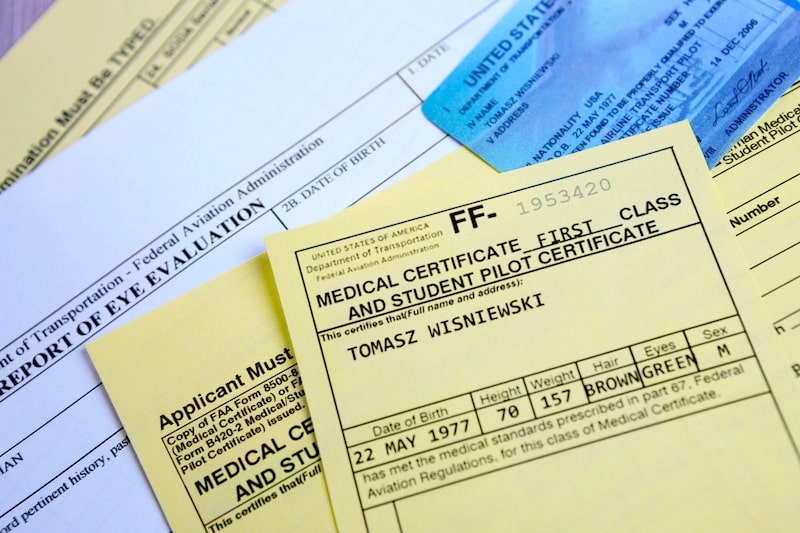
For many aspiring pilots, the FAA medical certificate is one of the biggest hurdles to getting started. The Sport Pilot Certificate takes a different approach to medical eligibility.
You do not need an FAA medical certificate to fly as a sport pilot.
Instead, you may use a valid U.S. driver’s license as your medical qualification, provided you:
- Hold a current and valid driver’s license
- Have never had an FAA medical certificate denied, suspended, or revoked
- Self-certify that you are medically fit to fly
The FAA’s reasoning is straightforward: if you are considered safe to operate a motor vehicle on public roads, you may make that same determination when exercising Sport Pilot privileges.
There is one important caveat. If you have ever had an FAA medical certificate denied, suspended, or revoked, you may not use a driver’s license in place of a medical certificate. In that case, an FAA medical certificate would still be required to exercise Sport Pilot privileges.
Sport Pilot Training Requirements
Earning a Sport Pilot Certificate requires less flight time than a Private Pilot License (certificate), but the training is still structured and comprehensive. Training focuses on safe aircraft operation, understanding operational limitations, and flying within the privileges of a Sport Pilot Certificate.
Flight Time Requirements
The FAA minimums for a Sport Pilot Certificate are:
- 20 total flight hours
- 15 hours of dual instruction with a flight instructor
- 5 hours of solo flight time, including a cross-country flight
These minimums include specific cross-country, solo, and checkride preparation requirements outlined by the FAA. Your instructor will guide you through the specific flight and ground training requirements.
In practice, most students finish closer to 25–30 hours, depending on weather and training continuity.
Ground Training & Knowledge Test
There’s no specific ground school hour requirement, but you will need to:
- Learn core aeronautical knowledge (airspace, weather, regulations, performance, and safety)
- Pass the FAA Sport Pilot Knowledge test
- Be prepared for an oral exam during your checkride
The Practical Test (Checkride)
Training concludes with a practical test, commonly called a checkride. This includes:
- An oral portion covering regulations, aircraft systems, and aeronautical decision-making
- A flight portion demonstrating required maneuvers, procedures, and safe decision-making
The checkride ensures you’re not just capable of flying the airplane—but doing so safely and responsibly.
What Aircraft Can You Fly with a Sport Pilot Certificate?
Historically, sport pilots have flown aircraft that fell under the FAA’s light-sport aircraft (LSA) category. That framework is now evolving.
The FAA intentionally separates aircraft design standards from pilot certification limits, allowing more capable aircraft to be approved while keeping Sport Pilot operating privileges clearly defined.
With the FAA’s MOSAIC final rule, Sport Pilot privileges are shifting away from a narrowly defined aircraft category and toward a performance-based approach. The goal is to expand access to modern, capable aircraft while maintaining the safety foundation sport pilot training is built on.
Beginning October 22, 2025, updated sport pilot training and operating privileges take effect. Additional aircraft certification changes will follow in 2026 as the FAA formally removes the legacy “light-sport aircraft” definition from the regulations.
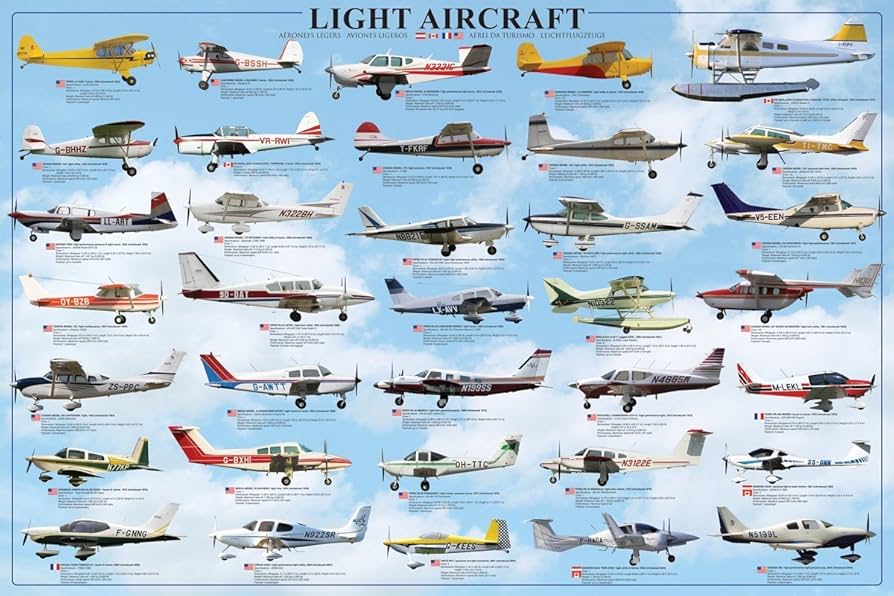
Under MOSAIC, sport pilots may operate a broader range of aircraft that meet the applicable performance and design criteria, including:
- Aircraft with up to four seats (limited to one passenger)
- Aircraft equipped with retractable landing gear
- Aircraft with manually controllable pitch propellers
- Faster and heavier airplanes that meet revised stall-speed limits
- No restrictions on powerplant type (excluding turbojets)
While aircraft capability expands, sport pilot operations remain centered on daytime, visual-flight-rules flying, unless additional training and endorsements are completed.
For many airplane pilots, these changes mean more options—modern aircraft, improved performance, and greater flexibility—without moving into the time and cost commitment of a Private Pilot Certificate. The core purpose of the Sport Pilot Certificate remains unchanged, while the range of aircraft available continues to expand.
Sport Pilot Certificate Privileges and Limitations
The Sport Pilot Certificate provides practical flying privileges, but it also comes with defined and reasonable limitations. Understanding what a sport pilot can and cannot do is essential when deciding whether this certificate aligns with your flying goals.
Privileges
With a Sport Pilot Certificate, you may:
- Act as pilot in command (PIC) of an eligible aircraft
- Fly during the day under visual flight rules (VFR)
- Carry one passenger
- Fly cross-country within the United States
- Log flight time that may be credited toward a Private Pilot Certificate
Limitations
Even with expanded aircraft eligibility under MOSAIC, the Sport Pilot Certificate retains important operational limitations:
- No flight for compensation or hire
- No operations in instrument meteorological conditions (IMC)
- No flight above 10,000 feet MSL, or 2,000 feet AGL, whichever is higher
- Limited to one passenger, regardless of aircraft seating
- No night flying
– Under MOSAIC, night flying is permitted when exercising Sport Pilot privileges only if the pilot holds an FAA medical certificate or BasicMed and has received the required training and instructor endorsement. Sport Pilots flying solely under a driver’s license remain limited to daytime operations. - Additional training and endorsements required for certain operations
– For example, Sport Pilots may operate in controlled airspace with the appropriate instructor endorsement
Is the Sport Pilot Certificate Limiting?
For pilots interested in daytime flying, fair-weather operations, and personal aviation, the Sport Pilot Certificate is often less restrictive than it appears. Many pilots never plan to fly at night, in instrument conditions, or with multiple passengers.
Sport Pilot Certificate vs. Private Pilot: Which is Better?
There is no single “better” choice; it depends on your goals. For some pilots, the Sport Pilot Certificate is the ideal fit. It offers a simpler training path, fewer regulatory hurdles, and a quicker route to flying, making it perfect for those who want to enjoy aviation without added complexity.
For others, it serves as a first step. If you later choose to pursue a Private Pilot Certificate, much of the flight time earned during sport pilot training may count toward the required aeronautical experience, as long as it meets applicable requirements.
In either case, the training has real value and supports the way you want to fly.
Either way, the training serves a clear purpose and supports how you plan to fly.
Sport Pilot Training at MzeroA (Coming 2026)
We’ve heard the requests and the excitement around Sport Pilot training, and we’re making it happen.
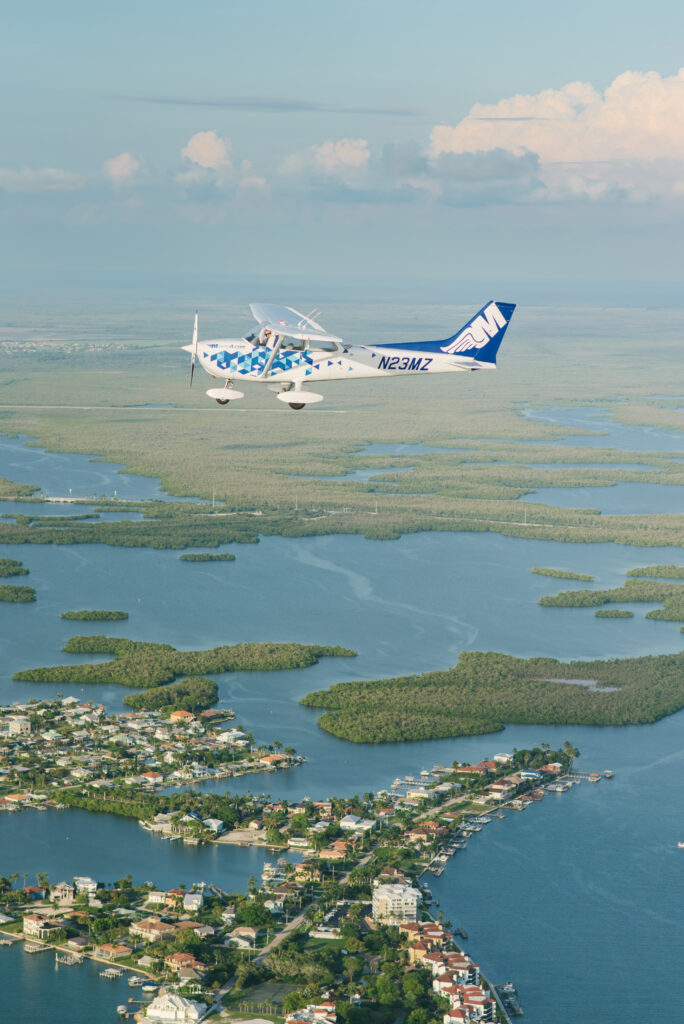
MzeroA is launching a dedicated Sport Pilot course in 2026. This has been one of the most requested additions to our training lineup, and it’s being built from the ground up to reflect how sport pilots actually train and fly—using the same education-first approach our students expect from MzeroA.
The Sport Pilot course will be:
- Clear, practical, and easy to follow
- Grounded in real-world flying—not rote memorization
- Designed to help students walk into both the knowledge test and checkride confident and prepared
As the course takes shape, we’ll be sharing development updates, sneak peeks, and early enrollment details.
Interested in Learning More?
Ready to take your first step toward a Sport Pilot Certificate? We’re bringing the same proven MzeroA teaching style to a Sport Pilot-specific ground school—built to help you understand, not just pass. Sign up below to stay informed and be notified when the course launches. The path to becoming a Sport Pilot is about to get a lot clearer.