
Flying an aircraft is a complex operation that requires teamwork, precision, and strong decision-making. While the Captain holds ultimate authority in the flight deck, they never operate alone. Next to them is the First Officer (FO), also known as the Second-in-Command (SIC), a critical role in safe and efficient airline operations.
Understanding what a First Officer does, how the role differs from a Captain and how it fits into a pilot’s career path is essential knowledge for aspiring airline pilots.
Captain vs. First Officer: What’s the Difference?
The Captain serves as the Pilot-in-Command (PIC) and has final authority over all operational decisions involving the aircraft. The First Officer, meanwhile, acts as the Captain’s primary support, sharing flying duties and playing an essential role in safety, communication, and decision-making.
Most First Officers hold an Airline Transport Pilot (ATP) Certificate or a Restricted ATP (R-ATP), depending on their background and total flight time. Captains, by contrast, hold a full ATP and typically have greater experience and seniority.
This structured progression helps maintain strong mentorship in the flight deck and promotes consistency, professionalism, and safety for passengers.
What Does a First Officer Do?
The First Officer is far more than just a co-pilot. They actively participate in every phase of flight, from preflight planning to landing, ensuring operations run smoothly and safely.
Preflight Responsibilities
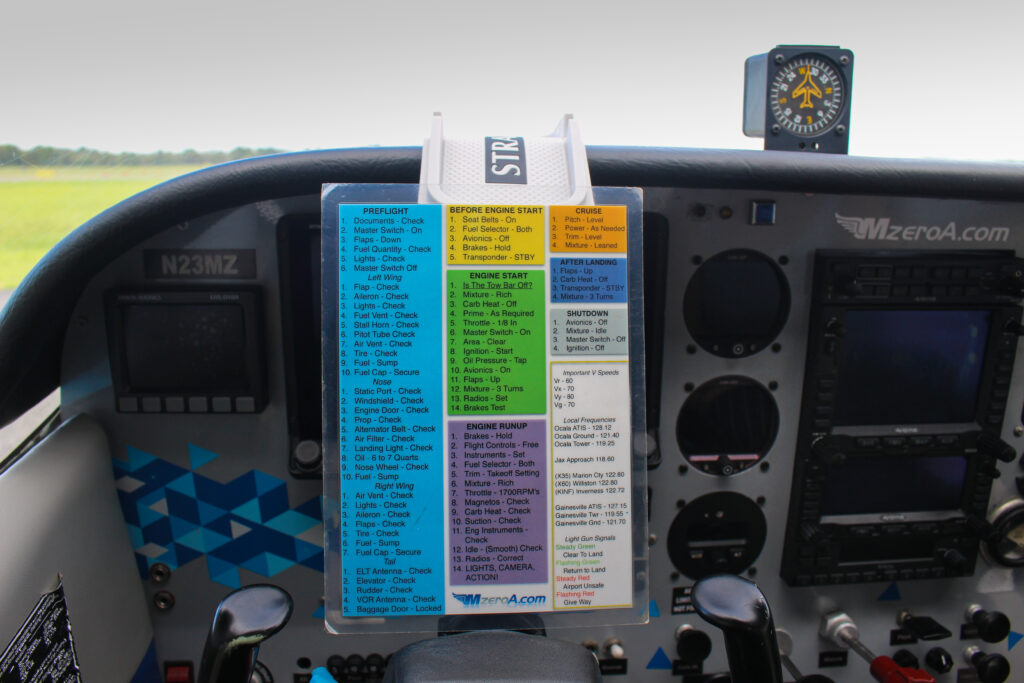
Before the aircraft ever leaves the gate, the First Officer plays a major role in flight preparation. These duties include:
- Conducting detailed safety and system checks.
- Verifying that aircraft instruments and equipment function properly.
- Reviewing the flight plan for accuracy and feasibility.
During flight planning, the First Officer evaluates key factors such as:
- Weather conditions along the route.
- Runway lengths at departure and destination airports.
- Fuel requirements and reserves.
- Potential air traffic delays.
- Alternate airports in case the original plan changes.
In-Flight Duties and Monitoring
The First Officer continuously monitors aircraft systems to detect abnormalities early. They also handle ongoing communication with air traffic control (ATC), providing updates on position, altitude, routing, and estimated arrival times. This constant monitoring adds redundancy to the flight deck, a core principle of airline safety.
Flying the Aircraft: A Shared Control
First Officers actively fly the airplane, not just observe. On shorter domestic flights, Captains and First Officers typically alternate flying duties between flights. On long-haul or international flights, the First Officer may take control for extended periods, allowing the Captain to rest. If the Captain becomes incapacitated for any reason, the First Officer assumes control and safely operates the aircraft.
Decision-Making in the Flight Deck
Airline flying rarely goes exactly as planned. One can almost always expect some change, regardless of whether it is weather-related, instructions provided by ATC, or onboard alerts. They all can require quick, informed decisions.
When these situations arise, the First Officer works closely with the Captain to evaluate options such as:
- Changing course or altitude.
- Executing avoidance maneuvers.
- Selecting the safest approach or landing technique.
The First Officer provides input, analysis, and recommendations, always prioritizing safety. While the Captain makes the final decision, effective collaboration between both pilots is essential.
How Long Does a Pilot Remain a First Officer?
There is no fixed timeline for upgrading to Captain. Professional advancement for pilots depends on several factors, including:
Airline Policies
Some airlines require pilots to serve as First Officers for a set number of years before becoming eligible for an upgrade.
Experience and Competency
Time alone does not guarantee advancement. Pilots must demonstrate strong technical skills, leadership ability, sound judgment, and calm decision-making under pressure.
Availability of Captain Positions
Even qualified pilots must wait for open Captain positions, which depend on airline growth, retirements, and staffing needs. Most airline pilots eventually progress from First Officer to Captain, but continued learning and skill development remain essential throughout their careers.
Preparing for the First Officer Role
The journey to becoming an airline Captain begins with mastering the role of First Officer. A stronger foundation in aeronautical knowledge, systems understanding, regulations, and real-world decision-making is critical.
MzeroA Online Ground School helps aspiring professional pilots build that foundation with structured, easy-to-understand training designed for real-world flying, not just passing exams. With a focus on safety, proficiency, and long-term success, MzeroA support pilots at every stage of their aviation journey.
Ready to Take Your Flight Training to the Next Level?
MzeroA Online Ground School offers complete courses for Private, Instrument, Commercial, and Instructor Ratings. Our students train using the proven Aviation Mastery Method, consistently scoring 6 points higher than the national average on their FAA written exams. Start learning the smarter way today. Visit www.mzeroa.com/store for more information!