So you want to fly drones for money. Good call.
Commercial drone work isn’t a gimmick anymore—it’s real estate, construction, inspections, agriculture, mapping, media, and everything in between. And unlike your neighbor’s kid who keeps buzzing backyard barbecues, you’re trying to do it legally.
This guide walks you through exactly what a UAV license is, who needs it, what’s on the test, and how to prepare—without sending you down a regulatory rabbit hole.
What Is a UAV License, Really?
Let’s clear this up early: the FAA doesn’t technically issue a “drone license.”
What you’re getting is a Remote Pilot Certificate under Part 107. Most people (including the industry) still call it a Part 107 license, and the FAA isn’t losing sleep over the wording.
This certification allows you to legally fly drones for commercial purposes, which means:
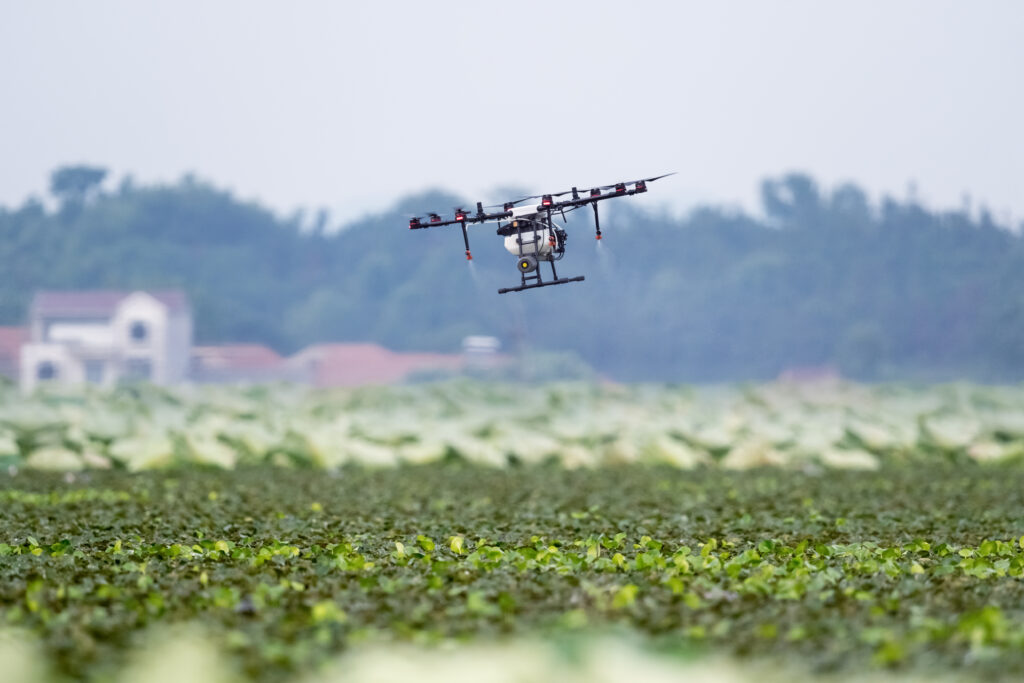
This certification allows you to legally fly drones for commercial purposes, which means:
• Real estate photography
• Construction progress tracking
• Roof and tower inspections
• Agricultural surveys
• Media and marketing work
If someone is paying you (or your drone flight supports a business) you’re in Part 107 territory.
Do You Actually Need a Part 107 Certificate?
Here’s the simplest way to think about it:
• Flying for fun? No Part 107 needed (but registration rules still apply).
• Flying for work, money, or business value? Yes. You need it.
The FAA doesn’t care if you’re charging $50 or $50,000. If compensation is involved in any form—cash, trade, or “exposure”—Part 107 applies.
And yes, the FAA does enforce this. Quietly, but consistently.
Part 107 Requirements
To take the Part 107 exam, you must:
• Be at least 16 years old
• Be able to read, speak, write, and understand English
• Be physically and mentally capable of safely operating a drone

What’s Actually on the Part 107 Test?
The Part 107 exam is a 60-question multiple-choice test. You need a 70% to pass, and you have two hours, which is more than enough time if you’re prepared.
The exam covers:
Airspace & Charts
This is where most people struggle. You’ll need to understand:
• Controlled vs uncontrolled airspace
• LAANC authorizations
• Sectional charts and airspace symbols
If you don’t truly understand airspace, guessing here will cost you points fast.
Weather
You’re not becoming a meteorologist, but you do need to understand:
• Wind, visibility, and temperature effects
• METARs and basic weather products
• Why certain weather conditions are unsafe for small UAS
FAA Regulations
Expect plenty of questions on:
• Part 107 operating rules
• Drone registration (Part 48)
• Operational limitations and waivers
Aircraft Performance & Loading
This is practical stuff:• Battery performance
• Weight and balance considerations
• How payload affects flight time and control
Aeronautical Decision-Making (ADM)
The FAA cares a lot about judgment.
You’ll see scenario-based questions that test whether you’ll make safe decisions under pressure.
Radio Communication Basics
You won’t be talking to ATC every day, but you need to understand basic terminology and communication flow.
How to Prepare Without Wasting Time
Could you cram for the Part 107 test? Sure…
Should you? Probably not.
This certificate isn’t just a box to check—it’s the foundation for flying safely, legally, and confidently.
A structured Part 107 course makes a big difference. MzeroA’s RemotePilot101 online course is designed specifically to:
• Translate FAA language into plain English
• Focus on what actually shows up on the exam
• Tie regulations to real-world flying decisions
Most students finish in 15–20 hours, spread over a couple of weekends.
Practice Tests Matter (A Lot)
Look for a study guide that includes unlimited practice exams. The FAA pulls from a large question pool, and familiarity is key.
Rule of thumb: If you’re consistently scoring in the high 90s, you’re ready.
What the Testing Day Is Like
You’ll take the exam at an FAA-approved testing center. Bring:
• Government-issued photo ID
Your ID must be valid and unexpired and match the name you used when registering in IACRA. If your photo ID does not reflect your current residential address, bring proof of your current address (like a utility bill).
You do not pay the testing fee at the center. The exam fee is paid when scheduling your test through PSI.
No notes, phones, or “just checking one thing.” It’s closed-book for a reason.
You’ll receive your results immediately after finishing. If you don’t pass, you may retest after 14 days. Your score report will outline the knowledge areas you missed so you can focus your next round of studying.
After You Pass
Once you pass:
• Your temporary Remote Pilot Certificate arrives by email within a few business days
• You can legally fly commercially as soon as you have it
The permanent card follows later. Your certificate is valid for 24 months. Renewal doesn’t require another test—just recurrent training, which keeps you current as rules evolve.
Why RemotePilot101 Works
Remote Pilot 101 was built as a true UAV license study guide, not a bloated information dump.
Every lesson ties back to:
• How the FAA tests
• How pilots actually fly
• Why the rules exist
You’re not memorizing answers—you’re learning how to think like a safe remote pilot.
The course includes:
• Video lessons that stay focused
• Unlimited practice exams
• Free updates when FAA rules change
Students regularly say they felt over-prepared walking into the testing center. That’s the goal.
The Bottom Line
Getting your Part 107 Remote Pilot Certificate isn’t complicated—but it does require intentional study.
With the right training, you can go from zero to certified in a matter of weeks. Skip the outdated blogs and endless YouTube tabs. Use a structured, up-to-date course, put in the work, and walk into the exam confident.
If you’re ready to make drone flying official, RemotePilot101 is built to get you there—clearly, efficiently, and the right way.