

 Log in
 The #1 Checkride Tip Every Pilot Must Know – Day 17 of the 31-Day Safer Pilot Challenge
For Day 17 of the 31-Day Safer Pilot Challenge, Jason shares his top checkride strategy: creating a cross-country wind card.
For Day 17 of the 31-Day Safer Pilot Challenge, Jason shares his top checkride strategy: creating a cross-country wind card.
Learn VFR radio communications and how to grab VFR flight following at a Class D airport. Jason Schappert walks through
In this video, Jason Schappert and Kat discuss what student pilots should expect on their private pilot checkride. While most
How Pilots Experience Spatial Disorientation: Three Sensory Systems at Play Pilots can experience spatial disorientation when three key bodily systems
In this video, Jason Schappert is joined by MzeroA’s Martin, to discuss a valuable lesson from one of Martin’s checkride

Effective communication between pilots and air traffic controllers (ATC) is central to aviation safety. Pilots are responsible for more than
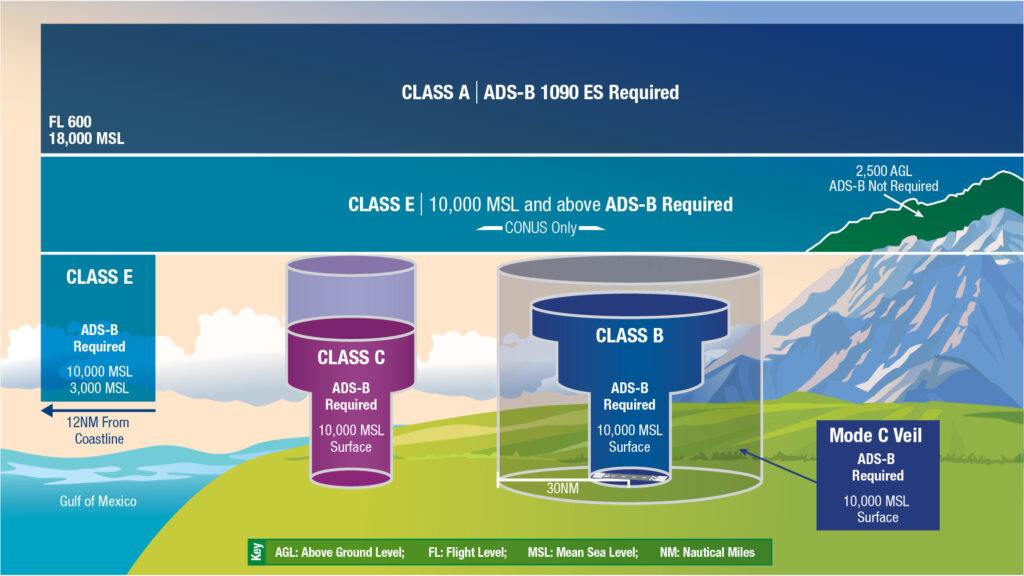
Controlled airspace (Classes A–E) puts ATC in the loop; pilots may need a clearance, two-way radio communication, or both before
Understanding Aviation Currency vs. Proficiency In this video, Jason Schappert and Jamie explore the important distinction between currency and proficiency
The Story Behind Flying Eyes Aviation Eyewear During EAA AirVenture 2025, Ray Delahoussaye met with Robert Greene at the Flying
At MzeroA, we’re revisiting some of our most crucial safety tips and pilot training lessons. In this video, we revisit